
Memorable Employee Appreciation Ideas in Orlando
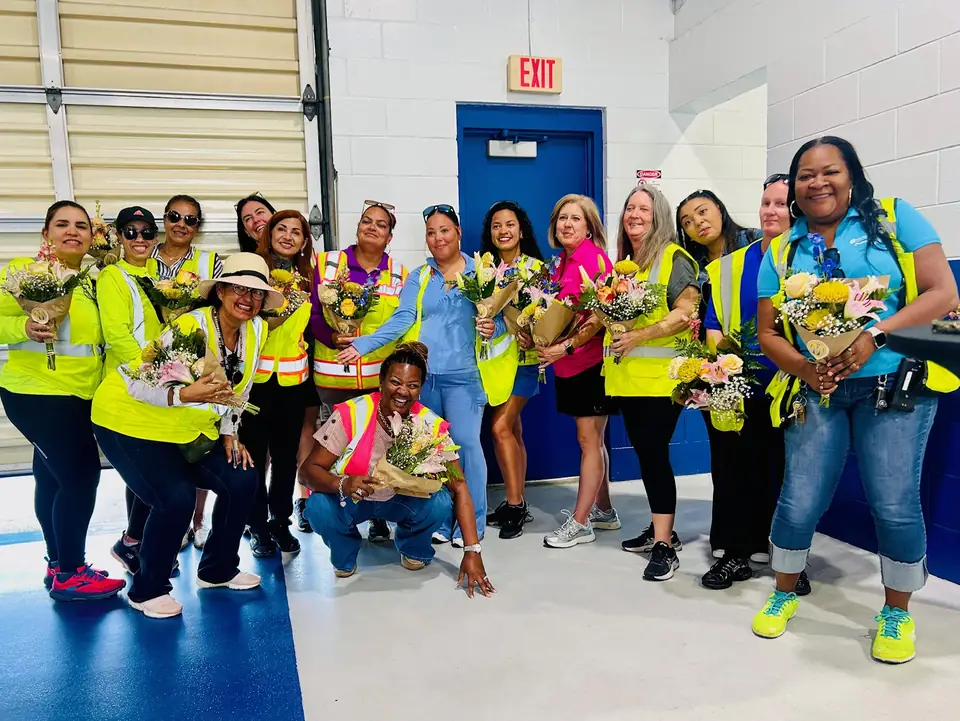
The best appreciation ideas give people a moment: a reason to step away from their desks, connect with coworkers and take something meaningful home.
If you’re planning for a team in Orlando, Lake Mary, Winter Park or anywhere in Central Florida, here’s a practical way to think about it — and a list of ideas that work for real workplaces with real shift schedules.
Start with three questions
- Who has to be included? Office staff, field teams, night shift, remote folks who come in once a month? Appreciation that misses a group lands worse than no appreciation at all.
- Do you want an event or a gift? An event gets people together; a gift goes home with them. The best ideas do both.
- What can your facility actually host? Indoor space, a courtyard, a parking lot? Do you need to involve facilities, security or the venue?
Ideas that work for Central Florida teams
1. A hands-on station instead of a handout
Coffee carts, ice-cream trucks and build-your-own stations all beat a pile of swag because people do something. A Mobile Bouquet Bar is our version: each employee picks their own stems and walks away with a hand-wrapped bouquet. It also gives people a reason to step away from their desks and talk to coworkers they don’t usually see.
2. Run it across shifts, not just at noon
If your building runs multiple shifts, schedule the activity across a longer window — or plan two short windows — so the overnight team isn’t stuck with leftover cake. Tell people the window in advance so managers can plan coverage.
3. Leaders show up and say thank you, specifically
The most meaningful part of any appreciation event is free: a leader thanking people by name for something specific. Build a few minutes for that into the schedule, and have leaders work the room rather than give a speech.
4. Something people can take home
A take-home item extends the moment — it ends up on a kitchen table or goes to a partner, a parent, a kid. Flowers are an obvious one; so is good food packaged to go, or a small locally made gift.
5. Family day or picnic
For teams who rarely get to show their families where they work, a family day can mean more than another lunch. Kids love flower crowns, and parents love the photos.
6. Make it easy for remote and hybrid staff
Pick an in-office day when the most people are in, and give remote teammates an equivalent — a delivered treat, a handwritten note, or a reason to come in that day.
Timing tips
- Employee Appreciation Day is observed on the first Friday in March (March 5, 2027). Many teams celebrate that week; others pick a quieter date when calendars are clearer.
- Florida weather matters. Spring and fall are comfortable for outdoor setups; in summer, plan shade, a covered area or an indoor space, and shorter outdoor windows.
- Book vendors early for popular dates. Experience vendors have one truck or one team; the first company to confirm gets the date.
A quick planning checklist
- Headcount, including every shift and location
- Date, service window and a rain/heat backup
- Where the activity goes and who signs off (facilities, security, venue)
- Vendor paperwork: COI, W-9 and how they invoice — see our Planner Pack
- A short message from leadership that names what you’re thanking people for
Planning an appreciation event in Central Florida?
The Mobile Bouquet Bar is $35 per guest (50-guest minimum), fully staffed, and needs no power. Travel is included within 20 miles of Apopka.