Why Your All-Hands Meeting Feels Hollow (And What Actually Moves People)

Most all-hands meetings fail for the same reason: the audience has nothing to do. They're being talked at for ninety minutes, asked to react in chat, and then sent back to Slack. The format borrows from theater without the play — and from broadcast without the entertainment. No wonder people half-listen.
The information problem
Most of what gets covered in an all-hands could have been a doc. Quarterly numbers, product roadmap, hiring updates — these don't require synchronous attendance. Using your team's most expensive 90 minutes per quarter to read slides aloud is a category error. Send the slides. Use the room for what only the room can do.
What the room is actually for
Synchronous gatherings are for things that need shared presence: marking a milestone, hearing from a customer in real time, watching a leader take an unscripted question, doing something together that turns the audience into a group. If your run-of-show doesn't include at least one of these, you're using the wrong format for the content.
Add one activity people do with their hands
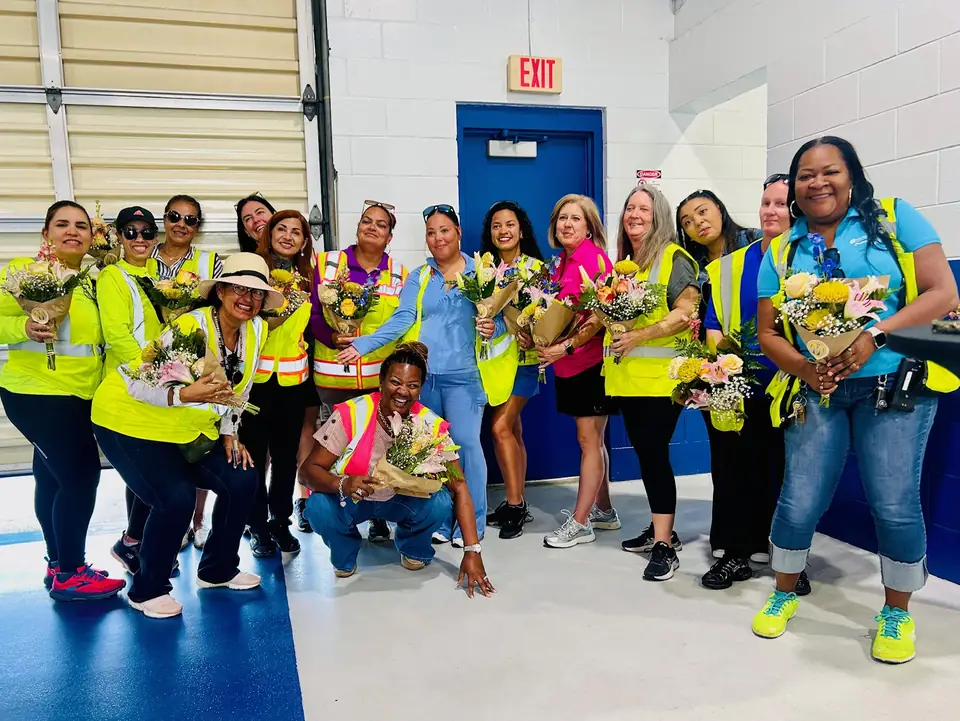
The single highest-ROI change to most all-hands meetings is inserting a 20-minute block where people do something physical together — build something, taste something, write something on a card. It breaks the broadcast trance. It produces conversation. It gives quieter people a reason to be in the room that isn't 'absorb information.'
What to stop doing
Stop the icebreakers nobody asked for. Stop the celebratory slide that lists ten people in 6-point font. Stop ending with 'any questions?' to a silent room. Stop pretending the meeting is participatory because there's a Slido. People know the difference between performing engagement and actually being engaged.
An all-hands isn't a broadcast. It's the rare moment your whole company is in the same room. Use it like it's rare.