
Ideas for corporate events in Central Florida.
Practical ideas for HR teams, executive assistants and event planners: employee appreciation, holiday parties, Admin Professionals Day and more.
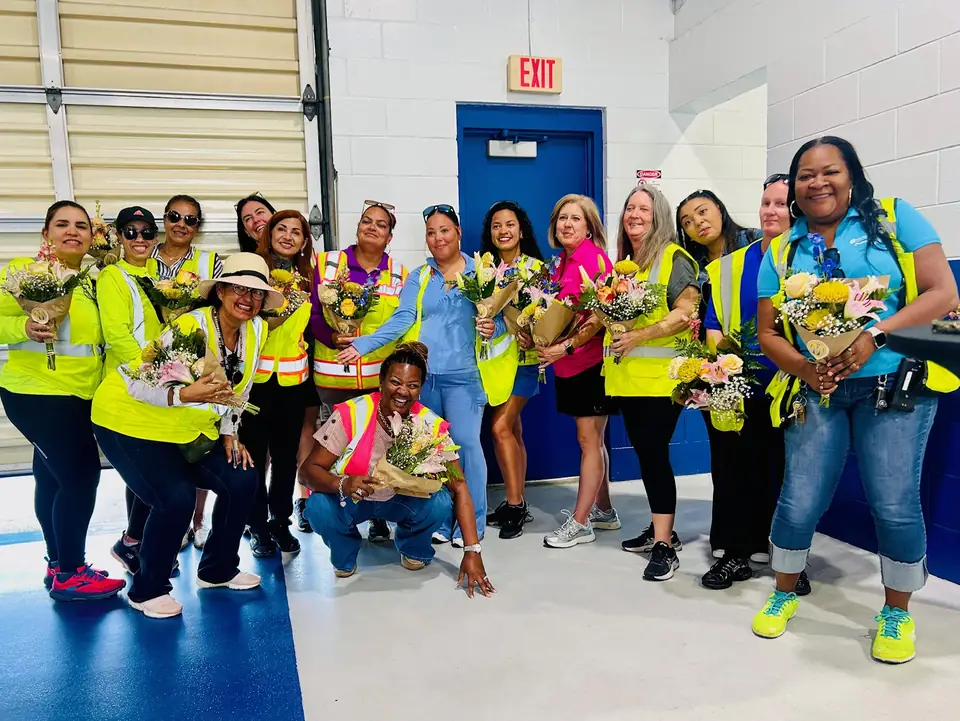
Memorable Employee Appreciation Ideas in Orlando
Practical employee appreciation ideas for Orlando and Central Florida teams: what to plan, how to cover every shift, and how to pick something people take home.

Administrative Professionals Day Ideas for Central Florida Teams
Administrative Professionals Day ideas for Orlando and Central Florida offices: when it is, what admins actually value, and how to make the day feel personal.
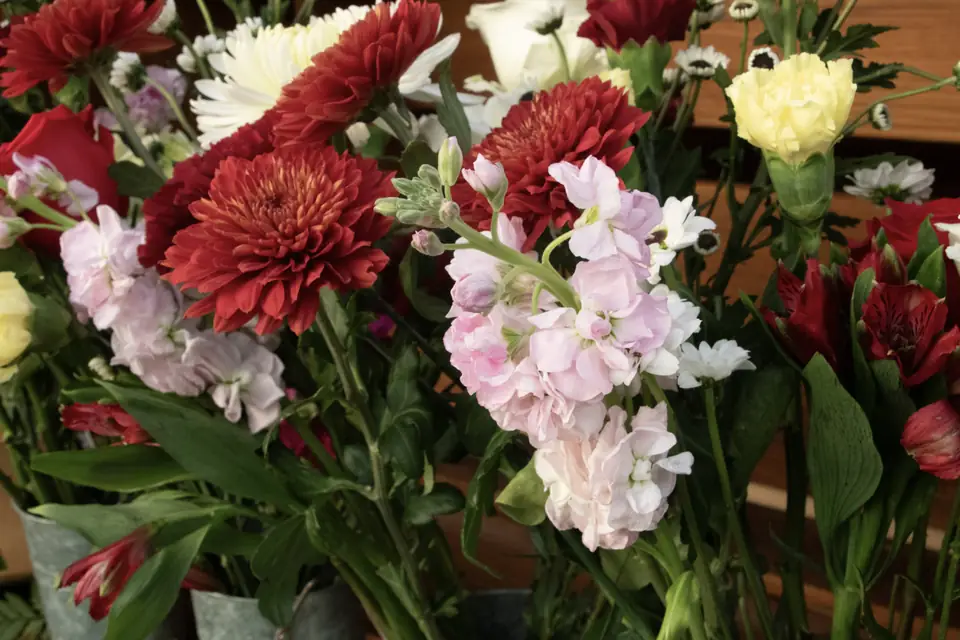
Holiday Party Activations Guests Will Love
Fresh holiday party activation ideas for corporate events in Orlando and Central Florida: interactive stations that get guests mingling and send them home with something.