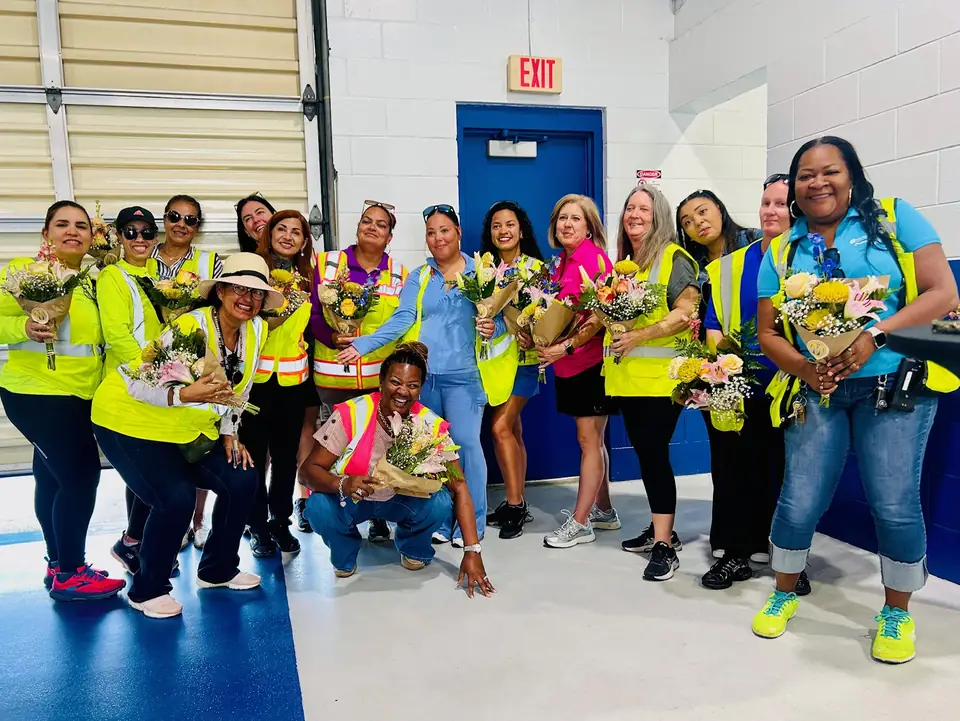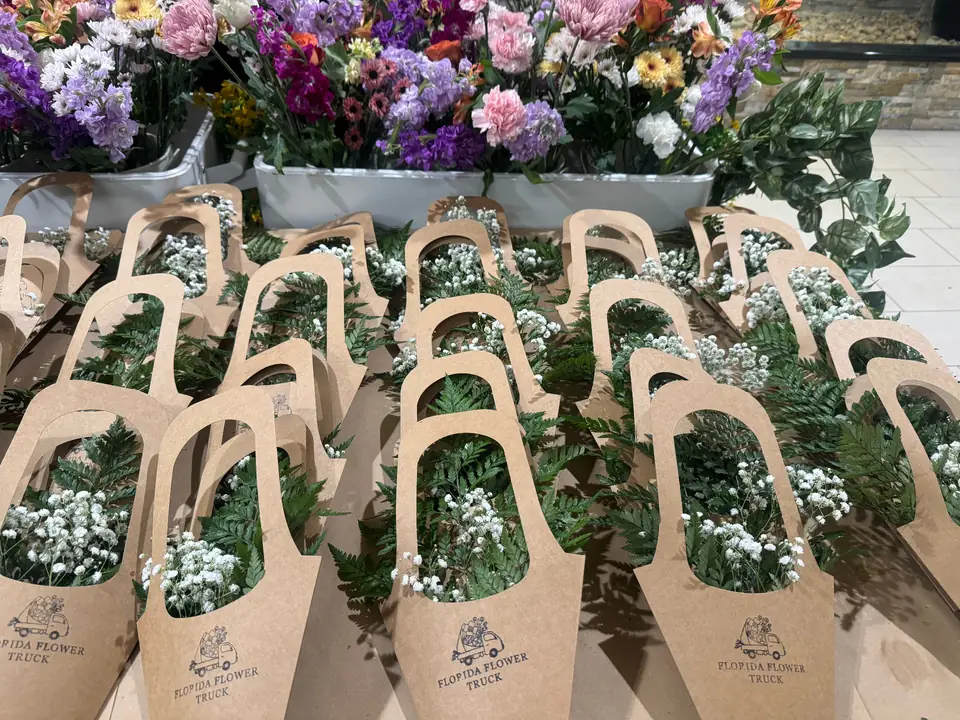
The Quiet Power of Temporary: What Flowers Taught Me About Building Culture

Permanent things — org charts, mission statements, office murals — get the budget. Temporary things — a shared meal, a moment around a table, a bouquet someone carries home — get remembered. The cultural work that actually moves people is almost always done by something that won't be there next week.
Why permanence is overrated at work
Companies spend enormous energy trying to build things that last: values posters, intranet portals, recognition platforms. Most of it becomes wallpaper within a quarter. The fixed object stops being seen the moment it becomes part of the room. Permanence and presence work against each other — once something is always there, nobody's actually there with it.
What temporary things do that permanent ones can't
A temporary moment demands attention because it's about to be over. People show up differently for the thing that won't repeat. They take a photo. They tell a story about it later. The impermanence is what gives the moment weight — and what gives people permission to be present rather than performing.
Flowers as a case study
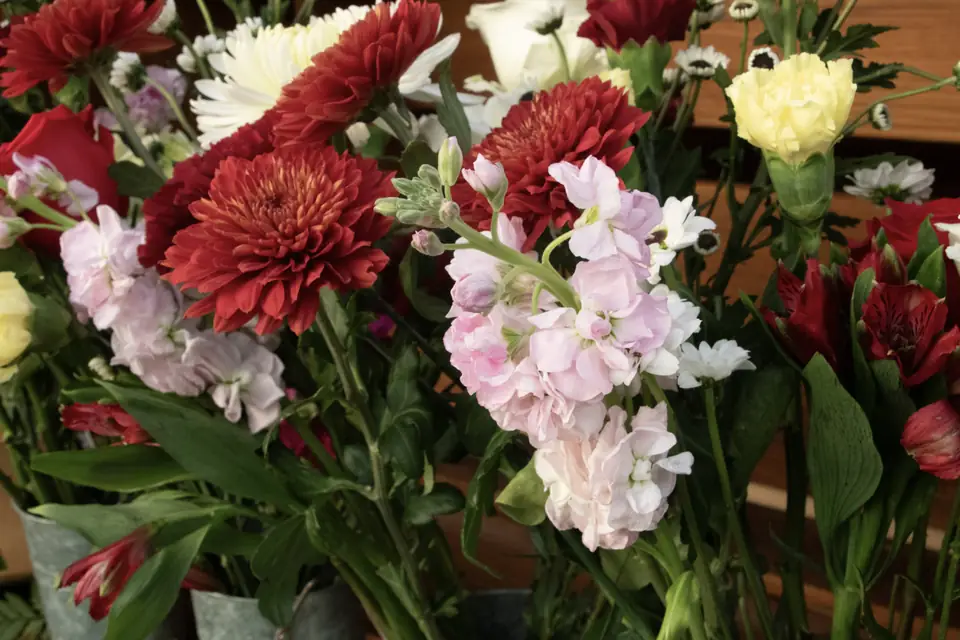
A bouquet is the perfect cultural object because it has a built-in expiration date. Nobody pretends a vase of roses is going to be on someone's desk in three months. That honesty is what lets it do its actual job: marking that this Tuesday, in this room, with these people, something happened worth noticing.
What this means for how you plan
Stop trying to build culture that lasts. Start building culture that happens. The lasting part — the way people describe working there, the stories they tell new hires — is downstream of how many real moments you've stacked up. Plan more of those. Worry less about the artifact.
Permanent things are easy to point to in a board deck. Temporary things are what people actually remember. If you're choosing between the two, choose the one that's about to be over.